
Harry Hermann’s Journey Back to Mobility
October 23, 2026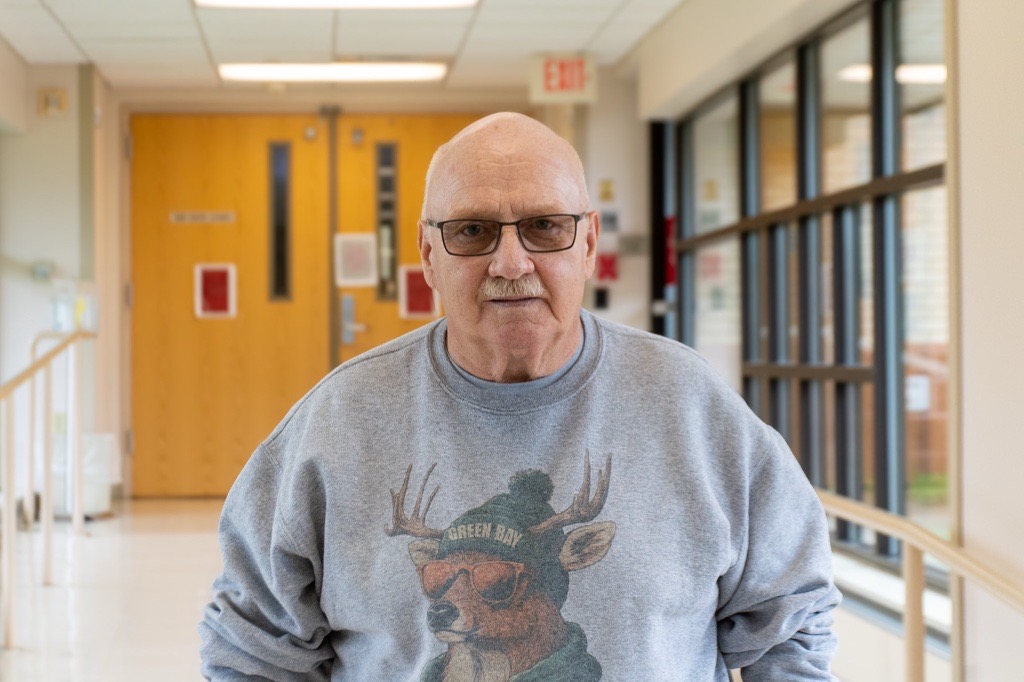
We recently caught up with a former patient of UP Health System – Portage Rehabilitation Services to learn about his journey to recovery.
When you're given a plan, how closely do you stick to it?
For retired electrician Harry Hermann, a new plan didn't involve conduits or wiring. Instead, it focused on physical rehabilitation for his hip. Seated in a wheelchair, Harry discussed the days and weeks ahead with Natalie Hupp, physical therapist at UP Health System - Portage. He knew it wouldn't be easy, but he believed it would be worth it.
Harry's hip pain became an unwelcome distraction during his journey through heart treatment. Following a successful angioplasty and placement of heart stents, he began exploring options for his hip. Surgery wasn't an option at the time because of his recent heart procedure. Instead, Harry chose physical therapy.
Harry arrived at therapy after spending three weeks in a wheelchair. An injection in his hip helped him begin treatment, but he knew he needed to put in the work to achieve a full recovery. Fortunately, he and Natalie quickly developed a strong working relationship. With Natalie's encouragement and guidance, Harry focused on moving forward one step at a time.
"It was painful at first. I just kept doing it, going through it," Harry said of those early therapy sessions. "After I was done exercising, I felt better, and better, and better."
"Harry started out with a high amount of pain, even when sitting in a wheelchair," Natalie said. "He was being told he needed a hip replacement and that his joint was no good anymore, but there was nothing he could do because of his recent surgery. Through our work together, we took his pain down from a nine or ten out of ten to about five or six."
Natalie said physical therapy is a team effort.
"It's most critical in the early days when pain is high," she said. "In order to improve, we have to find things that get the body part moving without exacerbating already severe pain. Sometimes that margin of error is very small. If there isn't honesty in doing the exercises as prescribed or in communicating how an exercise is making someone feel, we won't get anywhere."
Harry's progress came through frequent communication with Natalie. When an exercise caused discomfort, he told her. When something felt too easy, he spoke up. That feedback allowed Natalie to adjust his program and keep him moving forward.
"He was consistent," Natalie said. "That's where progress happens. If you aren't supporting what is done in the clinic at home, your progress will be slow. Because of his commitment, we saw him progress from using a wheelchair to a walker, then a cane, and eventually walking through the door with a smile on his face. Then it was tackling stairs. Then it was getting back to gardening, lifting, pushing and hauling."
Harry followed his rehabilitation plan with the same dedication he had applied throughout his years as an electrician. He exercised six days a week and took one day to rest. As the weeks passed, he relied less on the wheelchair. Eventually, he no longer needed his cane.
Every eight weeks, Harry underwent a reassessment to measure his progress and adjust his plan as needed.
Reflecting on that period, Harry said it was one of the most important parts of his recovery. Although he was feeling better, he wasn't sure whether his strength had fully returned.
"Once you start, stay with it," he advised. "Once you start feeling better, don't quit until a physical therapist says you can. They set goals for your body and don't want to release you until you've met those goals. A lot of people quit before they've met those goals, and then they're back again. When you start feeling better, it's harder to keep pushing yourself."
"I felt results right after I started," Harry said. "It worked, so I kept going."
Today, Harry's commitment continues.
Through the crackle of the phone, Harry admitted he was taking the call from a treadmill. His current routine includes 30 different exercises, alternating 15 each day. He continues because he trusts the process, and the results speak for themselves.
He was able to avoid surgery altogether. Harry's surgeon ordered new X-rays and, after reviewing them, remarked, "That is a hip I wouldn't expect to replace anytime soon."
When asked what he looks forward to most these days, Harry spoke about visits from his grandchildren, spending time with his wife, gardening, keeping up with projects around the house and enjoying quiet days at his deer camp in the Huron Mountains.
"It's nice to be able to do anything I'd like to do without pain," Harry said with a laugh.
Reflecting on Harry's success, Natalie hopes others understand the benefits physical therapy can provide.
"I want people to know that physical therapy may be an option worth exploring before pursuing more invasive treatments," she said. "Some soreness, hard work and building resilience are often part of the process, but those challenges can lead to meaningful improvement when people truly commit to therapy."
"Therapy isn't magic," Natalie added. "It's helping people tap into the incredible things their bodies are capable of doing. Harry is an absolute testament to that."
If you're looking to rebuild your strength, flexibility or range of motion, visit Rehabilitation Center | Upper Peninsula of Michigan to see how we can plan your journey to recovery.