
Signs of Stress That Affect Your Physical Health
March 19, 2026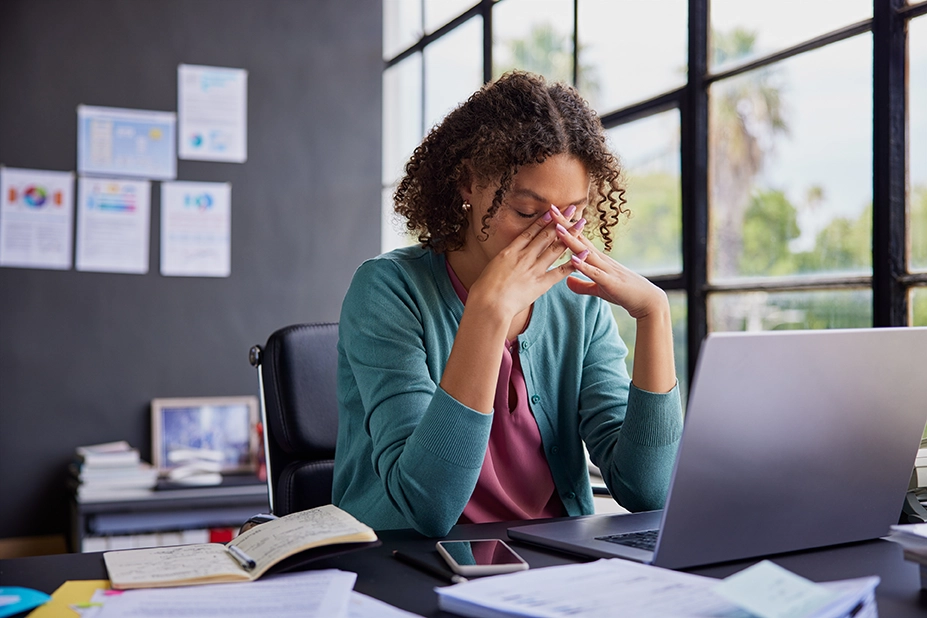
Stress is commonly viewed as an emotional issue, but it can also affect your physical health. Ongoing or frequent stress may influence several body systems, including cardiovascular function, digestion, immune response, and sleep.
In Michigan's Upper Peninsula, providers at UP Health System regularly evaluate patients whose physical symptoms are ultimately connected to ongoing stress. Recognizing these physical signals early can help address stress before it affects your overall health.
Headaches and Muscle Tension
Many people experience muscle tension when stress levels rise. Stress triggers hormones like cortisol and adrenaline that activate the body’s “fight-or-flight” response. The response is meant to be short-term, but chronic stress can keep muscles contracted longer than the body needs.
Ongoing muscle tension can lead to headaches, jaw clenching, teeth grinding, or tightness in the neck and shoulders. Posture and physical strain are often blamed for these symptoms, but stress can also be a major contributor. Over time, chronic muscle tension may also contribute to migraines or persistent pain.
Digestive Problems
Stress may interfere with normal digestive processes. The nervous system links the brain and digestive tract, meaning emotional stress can directly influence digestion.
You may notice stomach discomfort, nausea, bloating, or changes in appetite or bowel movements during periods of high stress. Occasional digestive discomfort is common, but symptoms that occur frequently may signal that stress is affecting your gut health.
Sleep Disruption
Many people notice sleep becomes more difficult during stressful periods. Racing thoughts or persistent worry can make it harder to fall asleep or stay asleep through the night.
Over time, poor sleep can make stress harder to manage. Lack of sleep may also contribute to fatigue, difficulty concentrating, mood changes, and reduced immune function.
Fatigue and Low Energy
Ongoing stress keeps the body working harder than normal. When stress hormones remain elevated for long periods, the body may begin to feel physically drained.
Many people report fatigue, reduced focus, muscle soreness, and low energy during periods of prolonged stress.
Frequent Illness
Ongoing stress can reduce immune function, making it harder for the body to fight infections or recover quickly from illness. People experiencing high stress may notice frequent colds or slower recovery from illness.
When to Talk With a Provider
If symptoms are persistent, worsening, or interfering with daily life, a healthcare provider can help determine what may be contributing to the problem. Stress-related symptoms can sometimes mimic other medical conditions, which makes proper evaluation important.
A provider can evaluate symptoms, rule out other medical causes, and recommend appropriate treatment or support when needed.